Ending post-micturition dribble.
The Bulbospongiosus Muscle: Keeping Blood In, Clearing the Last Drop
The bulbospongiosus (bulbocavernosus) wraps the base of the penis. It slows blood from draining during an erection, pumps out semen, and clears the urine that causes after-dribble.
Read the article →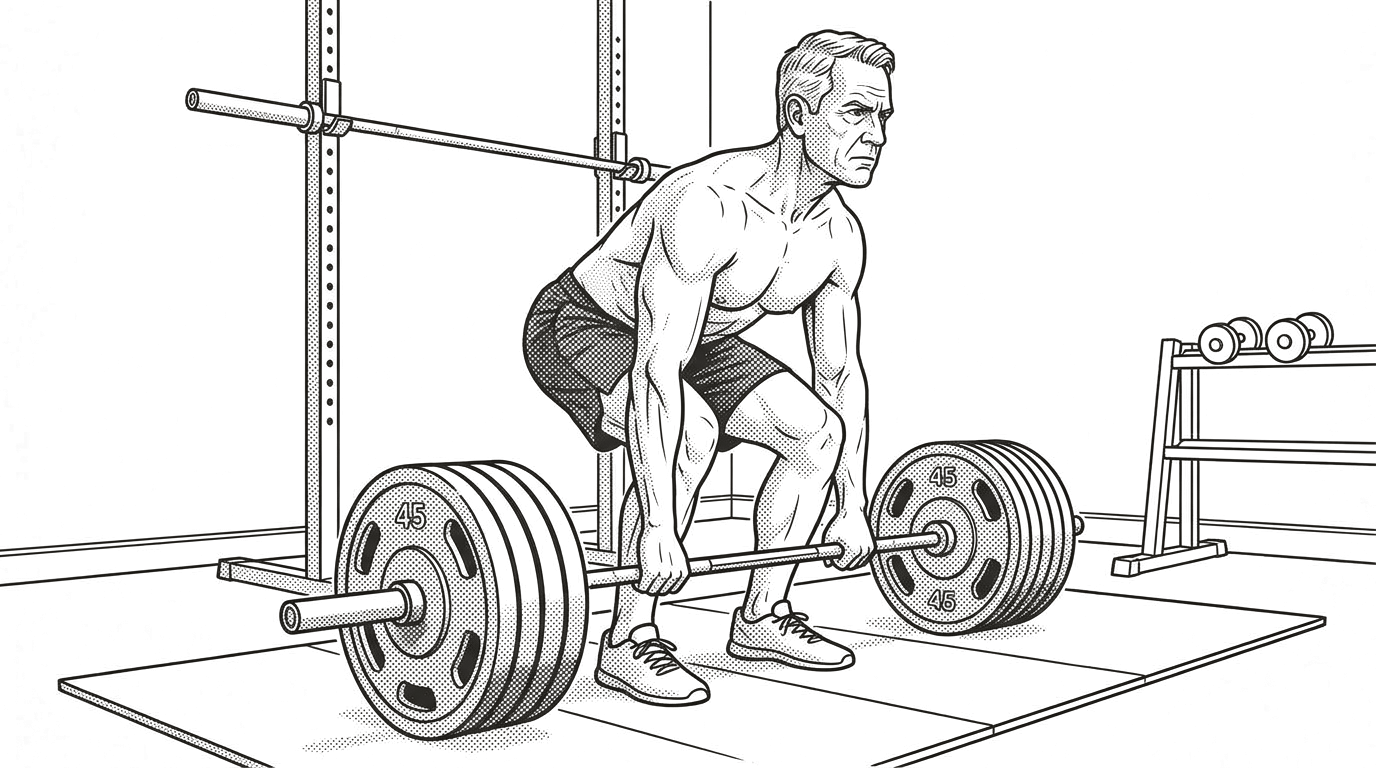
Kegel Exercises for Men: How to Do Them Right
How to find your pelvic floor muscle, do one correct squeeze, avoid the four common mistakes, and know when to expect results. With the trial numbers behind each benefit.
Read the article →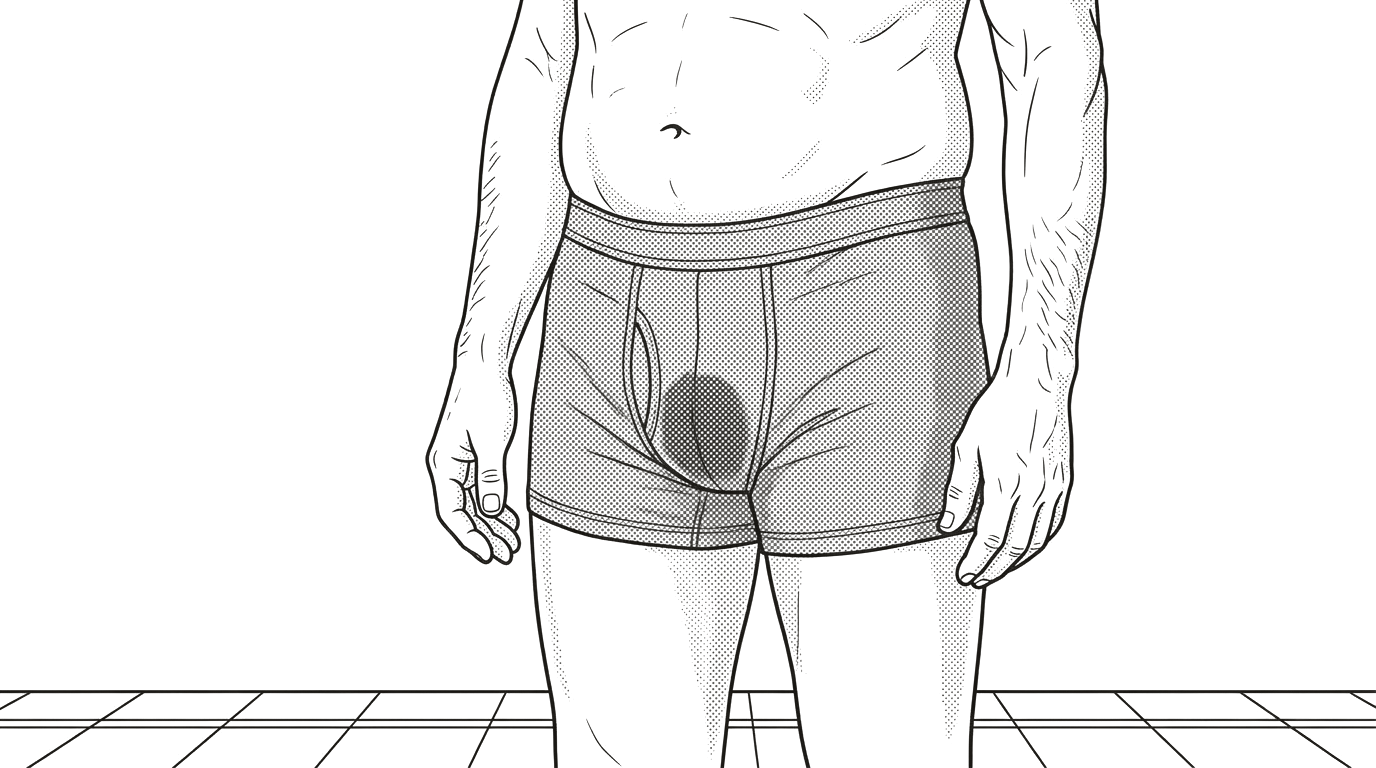
Still a Few Drops After You’ve Zipped Up? 5 Things That Help Today
Sitting down, waiting, pressing, a second trip, leaning forward. Each one helps a little, most men already do two of them, and none of them trains the muscle that is supposed to do the job.
Read the article →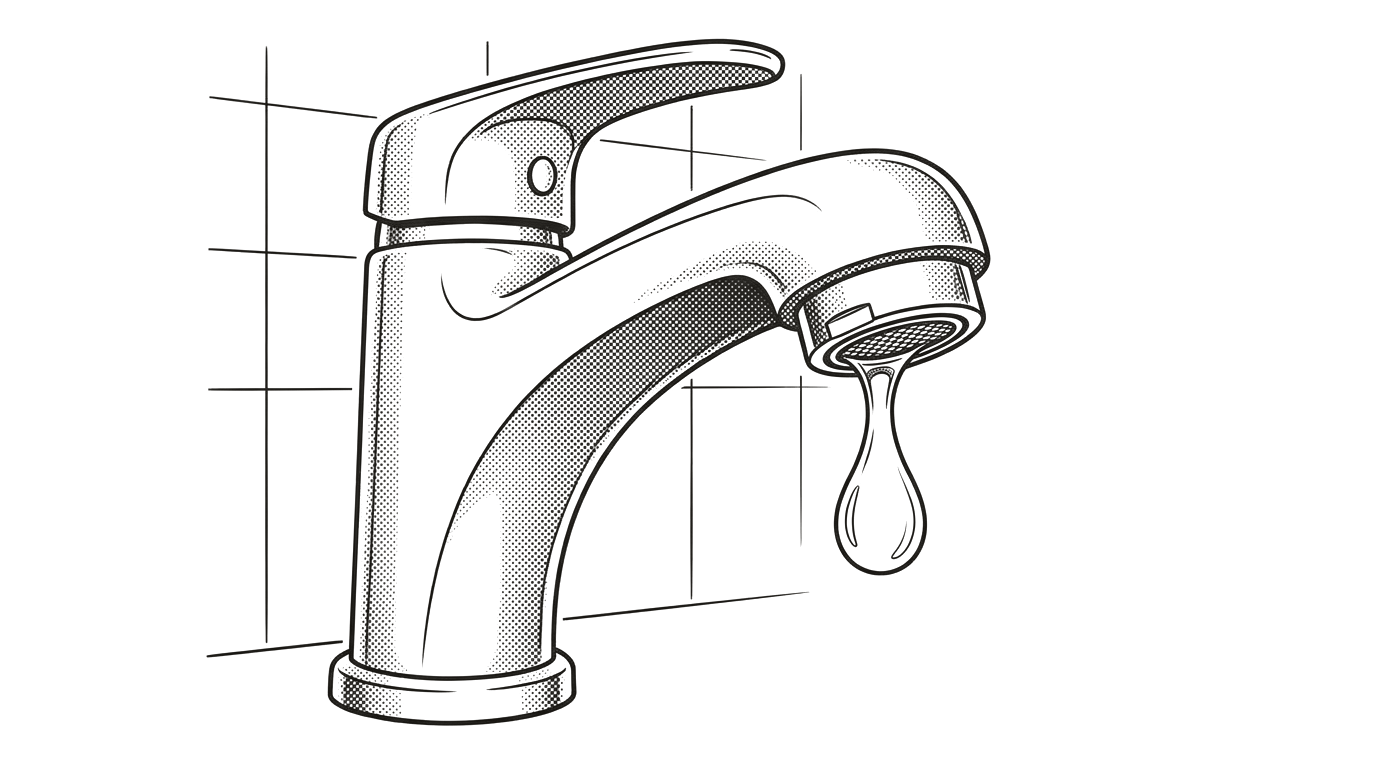
Why Waiting and Pressing Don't Cure After-Dribble (And What Actually Does)
Physical tricks for post-micturition dribble only treat the symptom. The cause is a weak muscle nobody teaches men to train, and a structured training plan is what works on it.
Read the article →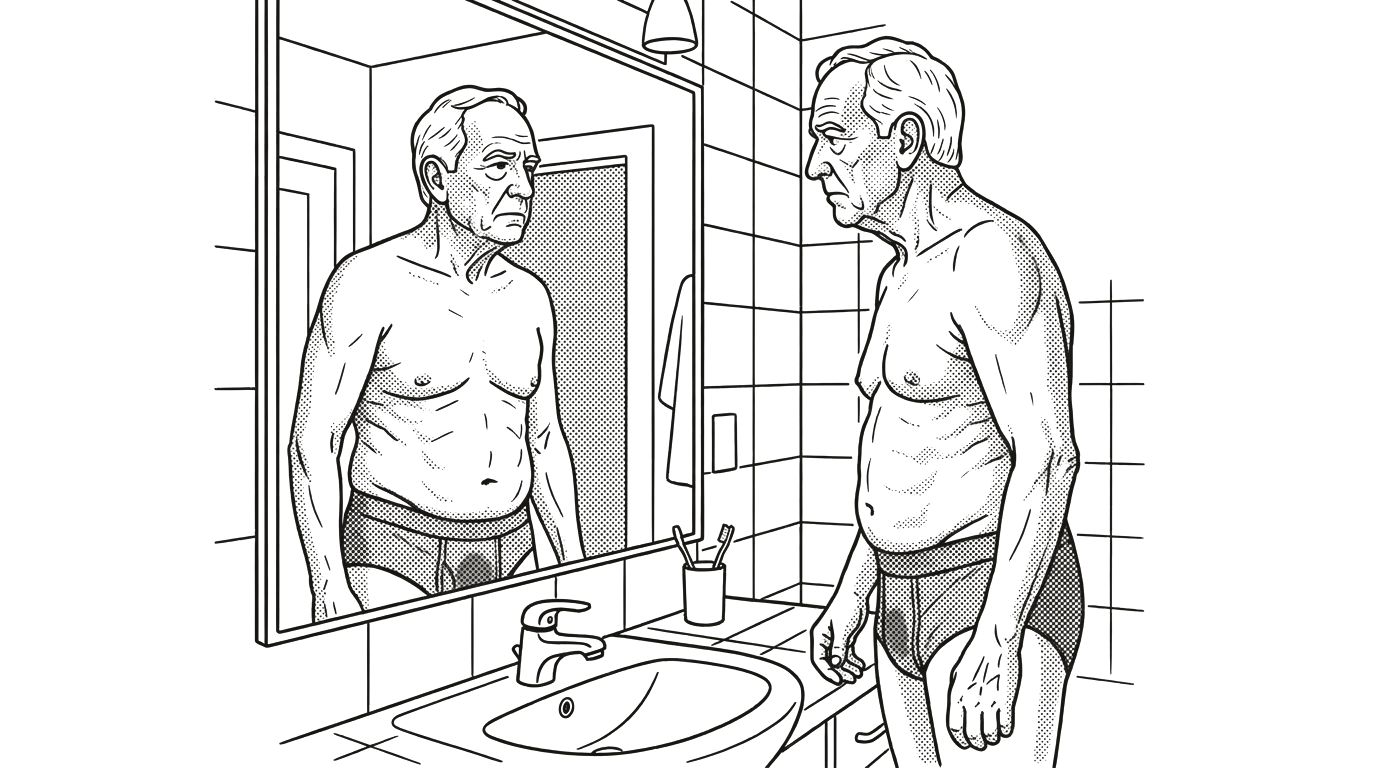
Why 300 Million Men Have a Problem They Haven’t Told Anyone About
Post-micturition dribble is incredibly common, yet most men never hear that it can be trained. Nobody teaches men this muscle, and embarrassment keeps the subject from coming up.
Read the article →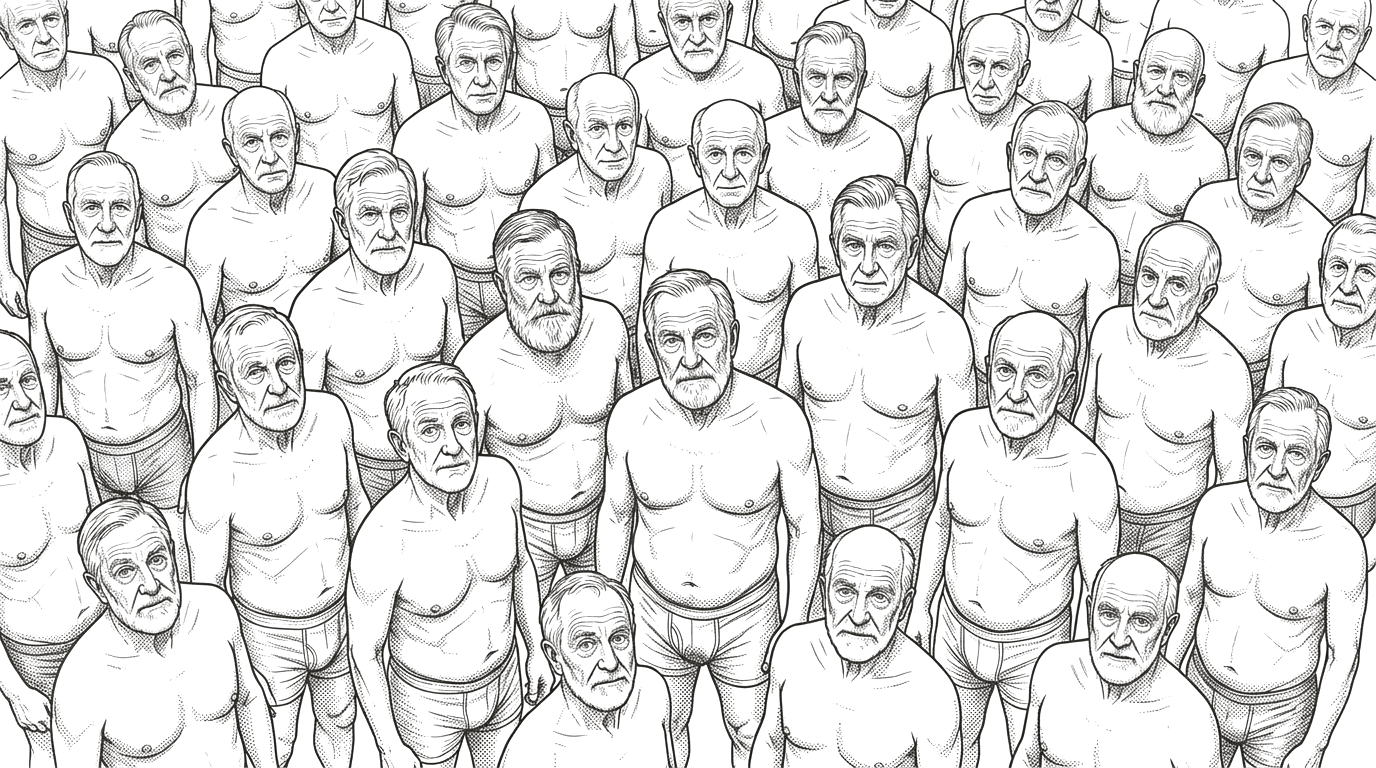
The Last-Drop: Why 500 Million Men Dribble After Urinating
Post-micturition dribble affects one in six adult men and one in four by their fifties. It is one muscle, not the prostate, and in a randomised trial 75% of men who trained it became symptom-free.
Read the article →