Staying firm starts with a muscle.
The Bulbospongiosus Muscle: Keeping Blood In, Clearing the Last Drop
The bulbospongiosus (bulbocavernosus) wraps the base of the penis. It slows blood from draining during an erection, pumps out semen, and clears the urine that causes after-dribble.
Read the article →
The Ischiocavernosus Muscle: What Makes an Erection Rigid
Two small muscles wrap the roots of the penis. When they squeeze, the pressure inside rises above your blood pressure, which is the step from full to hard. How they work and how to train them.
Read the article →
The PC Muscle in Men: What It Is and What It Really Does
The pubococcygeus is the muscle most kegel advice tells men to find. It supports the pelvic floor and controls urine flow, but it sits deeper than the muscles that firm an erection. How to use it as your way in.
Read the article →
The Three Muscles Behind Every Erection, and How They Work Together
The ischiocavernosus raises the pressure, the bulbospongiosus holds the blood in, and the PC muscle gives both a base. What each does, in what order, and how to train all three.
Read the article →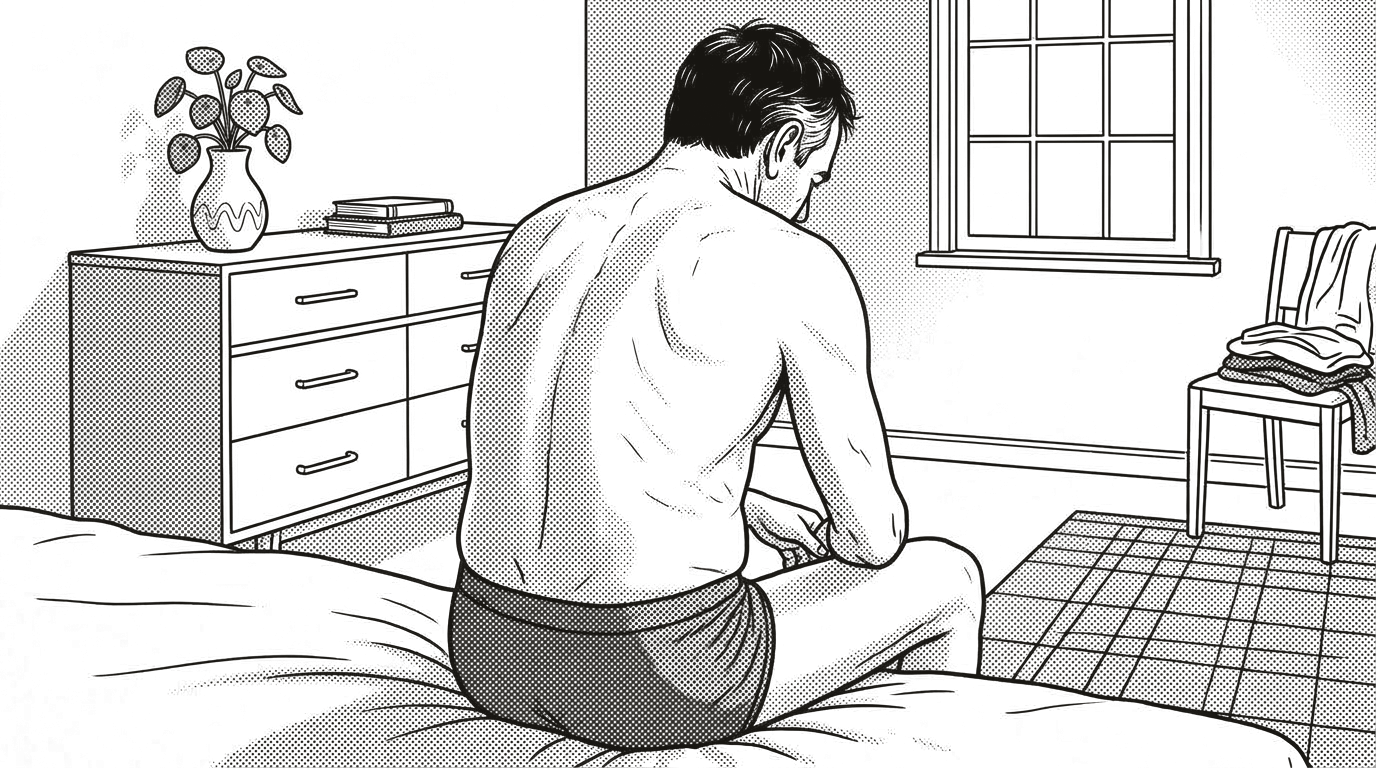
Do Kegels Help With ED? What the Trials Show
Yes, for many men. In a randomised trial, 41 of 55 men improved after training the pelvic floor and 22 were back to normal. Who it helps, who it won't, and how it fits with tablets.
Read the article →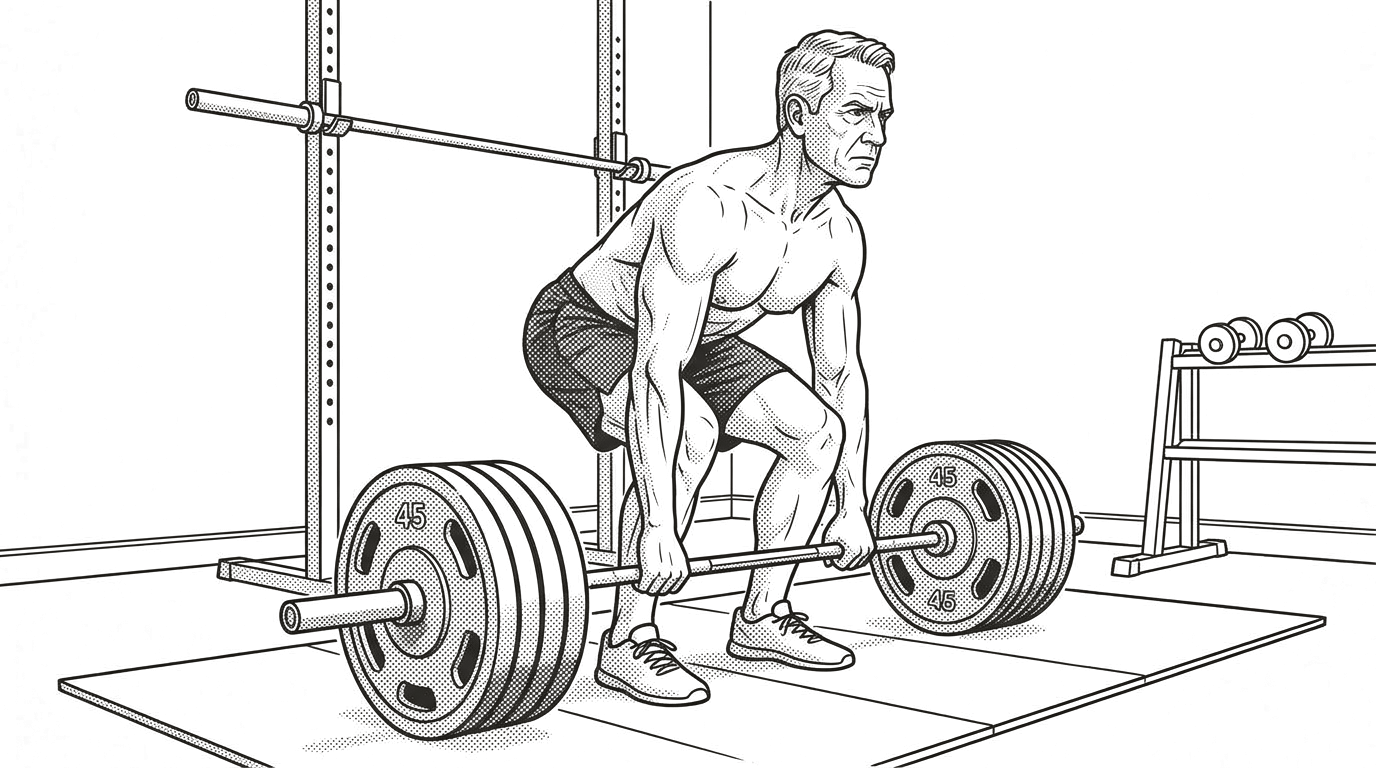
Kegel Exercises for Men: How to Do Them Right
How to find your pelvic floor muscle, do one correct squeeze, avoid the four common mistakes, and know when to expect results. With the trial numbers behind each benefit.
Read the article →