Stronger erections, lasting longer, no drops after peeing, bladder control and recovery after prostate surgery all come from one muscle. Nobody ever showed you how to train it.
One muscle★Stronger erections★Lasting longer★No drops after peeing★Bladder control★After prostate surgery★
One muscle★Stronger erections★Lasting longer★No drops after peeing★Bladder control★After prostate surgery★
One muscle★Stronger erections★Lasting longer★No drops after peeing★Bladder control★After prostate surgery★
One muscle★Stronger erections★Lasting longer★No drops after peeing★Bladder control★After prostate surgery★
What training this muscle does, in the research
Erections3 in 4men with erection problems improved after training this muscle. 40% got back to normal.Randomised trial, Dorey et al., Br J Gen Pract 2004
Lasting longer8 in 10men who finished too soon gained control after 12 weeks of training it.Clinical study, Pastore et al., Ther Adv Urol 2014
Drops after peeing75%of men with after-dribble were symptom-free after six months of training.Randomised trial, Dorey et al., Urol Nurs 2004
Bladder controlNHS“Pelvic floor muscle training can benefit everyone with urinary incontinence.”nhs.uk
Nobody ever showed you this muscle, so you never trained it.
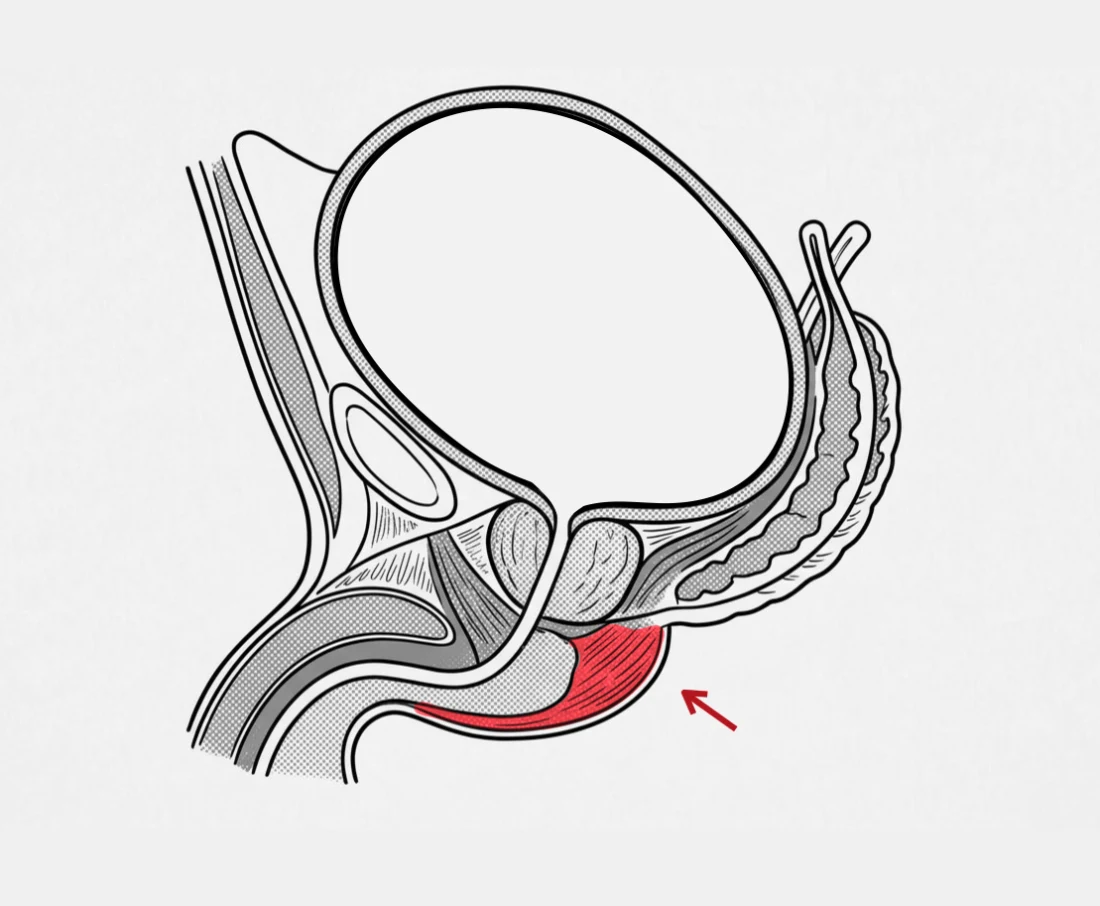
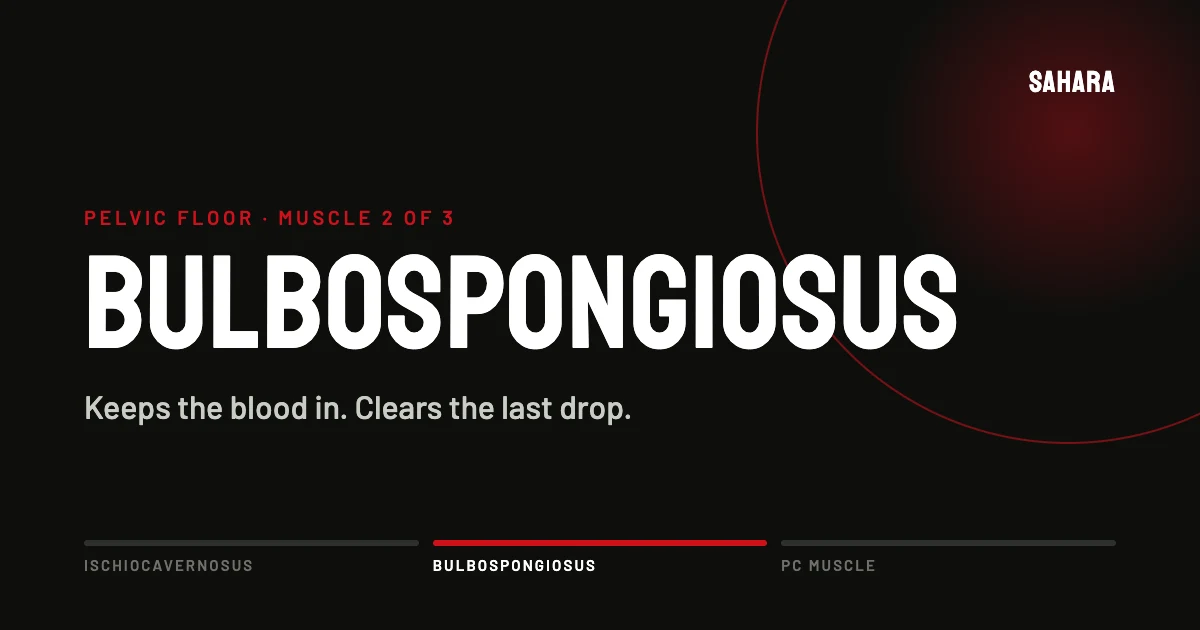
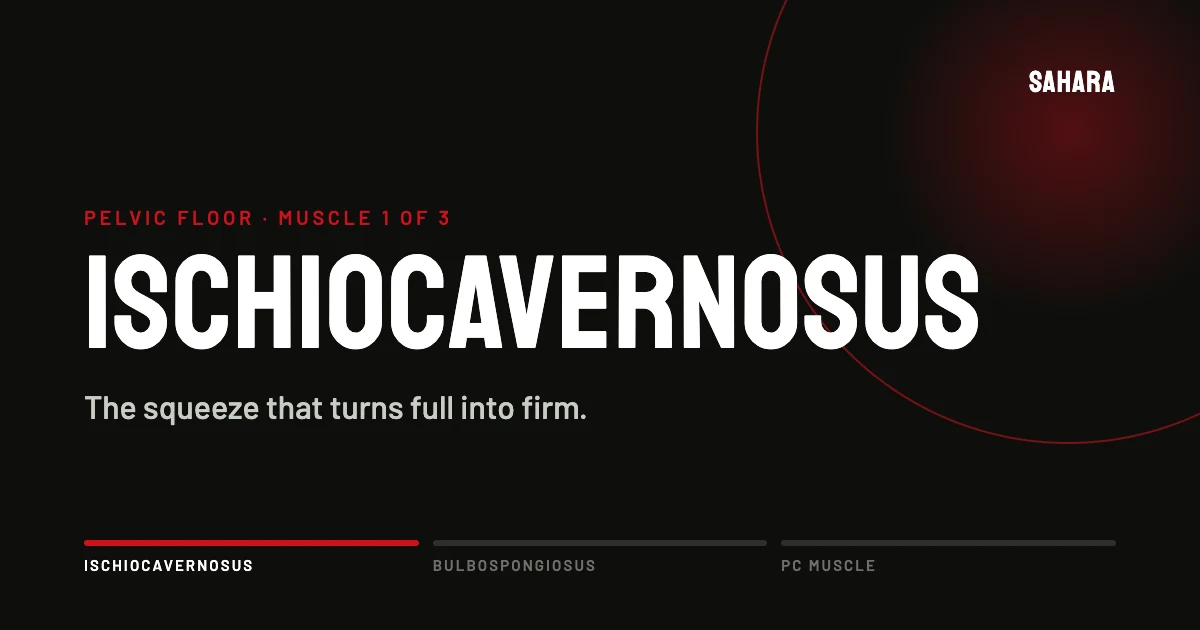
It sits under the base of the penis and does more than one job. Like other muscles, it tends to get thinner and weaker with age. That is not something you did.
This musclethe one Sahara trains
01
What it does
It helps keep erections firm, controls when you finish, squeezes out the last drops after you pee and helps hold the bladder shut.
02
Why it weakens
Age and prostate surgery both weaken it. Nobody teaches men it is there, and a prostate or bladder check does not look at it. The first sign is usually something small that gets written off as age.
03
What changes it
A weak muscle gets stronger when it is trained. Short daily contractions that get harder as you get stronger. The app sets the order and the dose; you follow the count.
The program
The Full Strength Protocol. Twelve weeks, harder every week.
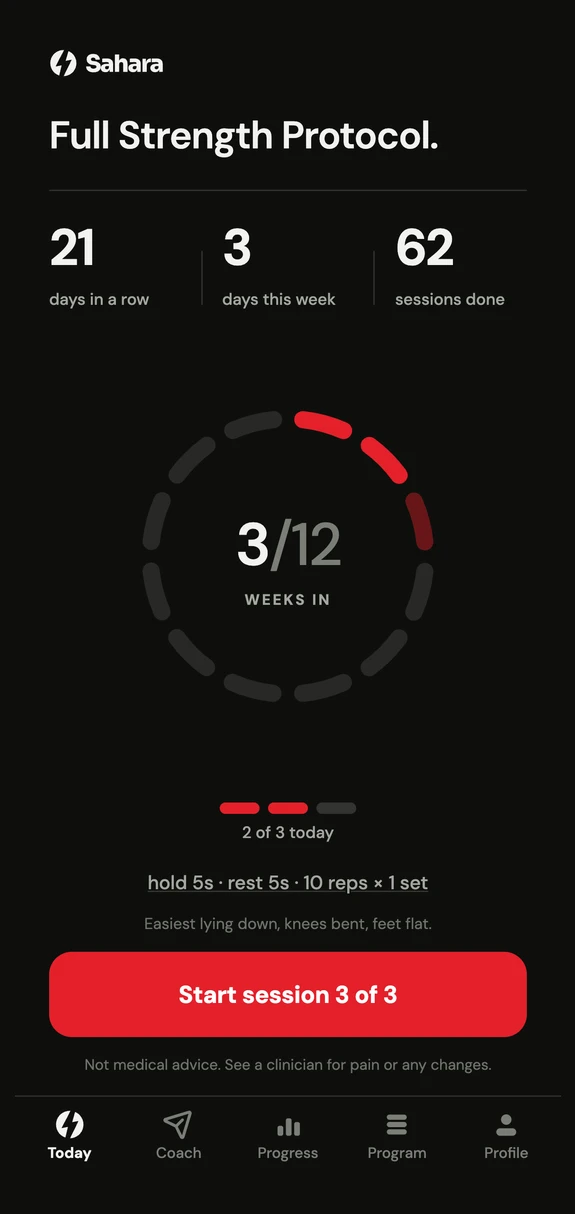
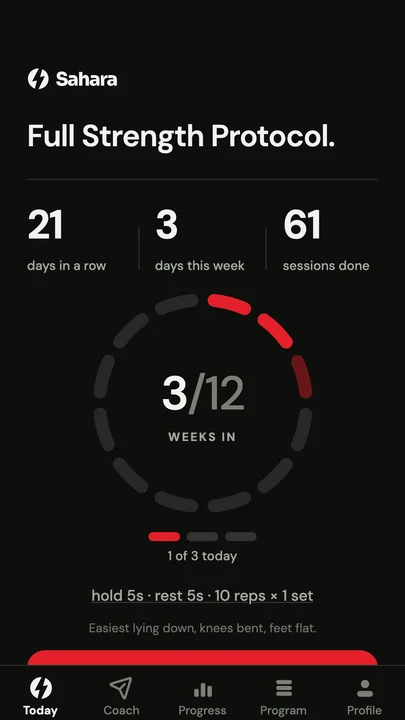
The app plans every session and reminds you when. It counts every hold, makes the holds longer each week by itself, and moves a missed session to the next day. You give it 5 minutes a day and watch your number rise. Each goal gets its own focus and its own number to move.
Foundation
Build
Automatic
FoundationBuildAutomatic
W1W2W3W4W5W6W7W8W9W10W11W12
01
Stronger erections
The same muscle helps keep erections firm. The plan builds long, strong holds and raises them week by week.
Your numberFirmness, 1–10
02
Lasting longer
The same muscle controls when you finish. The plan trains fast squeezes and control until it holds under pressure.
Your numberControl, 1–10
03
No drops after peeing
The goal the program was first built for, and the one no other app trains. In the trial behind it, three in four men finished symptom-free.
Your numberDryness, 1–10
04
Bladder control
Leaks when you cough, lift or feel a sudden urge. The NHS and Mayo Clinic both list pelvic-floor training for it.
Your numberControl, 1–10
05
After prostate surgery
Every patient is told to train the pelvic floor on the way out of hospital. Almost none is shown how, or given a schedule. This is the schedule.
Your numberLeaks, 1–10
Not for pain, blood in the urine, fever, or a sudden change in the last few weeks. Those need a clinician first, and the assessment stops and says so.
The goal nobody else trains
No more drops after you have zipped up.
Other kegel apps stop at performance. Sahara also trains after-dribble, which is common, rarely treated and backed by our strongest number.
17 in 100
Men aged 20–59
have after-dribble. One in four by their fifties.
Questionnaire survey of 2,839 men, 1997.
Symptom-free, not improved. Men with after-dribble who trained this muscle in a randomised trial.
Randomised controlled trial, Dorey et al., 2004.
Outside of physicians' and researchers' interests.
How a medical review described after-dribble.
Medical review, 2019.
The trialRandomised controlled trial. Men with post-micturition dribble, split into two groups.
The trainingThree months supervised, three at home. No drugs, no devices, no surgery, minutes a day.
The other groupLifestyle advice only, which is what most men are given today. Clearly behind at three months.
The result75% of the training group finished with no symptoms at all.
Every figure on this site, with its paper: the science.
Why Sahara
Same training. Honest corner.
Every app in this category sells pelvic-floor training. The difference is what they tell you and how they bill you.
Real proofEvery number on this site comes from a named trial, linked to the paper. No invented user counts, leaderboards or reviews.
One-click cancelCancel on the account page in one click. Cancelling stops future charges; access runs to the end of the paid period.
Total discretionA plain app icon, reminders that never say what they are for, and nothing on a lock screen or bank statement that says what it is.
5 minutes a day, and the app runs it.
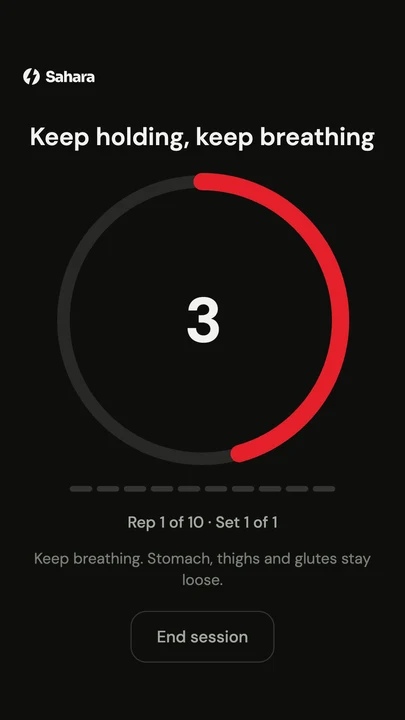
It vibrates at every squeeze, hold and release and counts them for you, with the phone in your pocket. Nothing to wear, nothing to install, and the app icon is a plain mark.
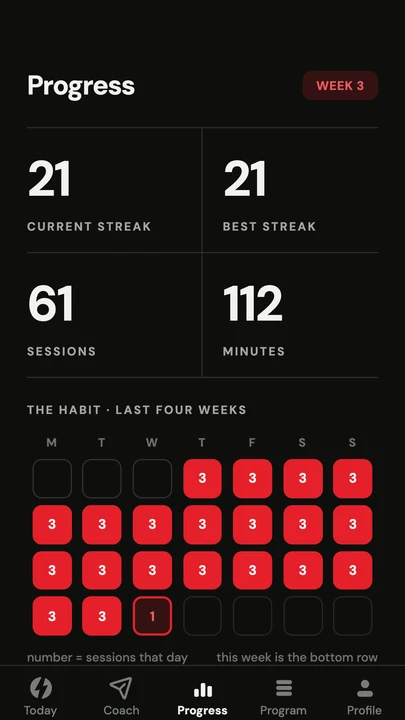
Three sessions a day, and the day-fourteen checkpoint.
Squeeze, hold, release, counted for you.
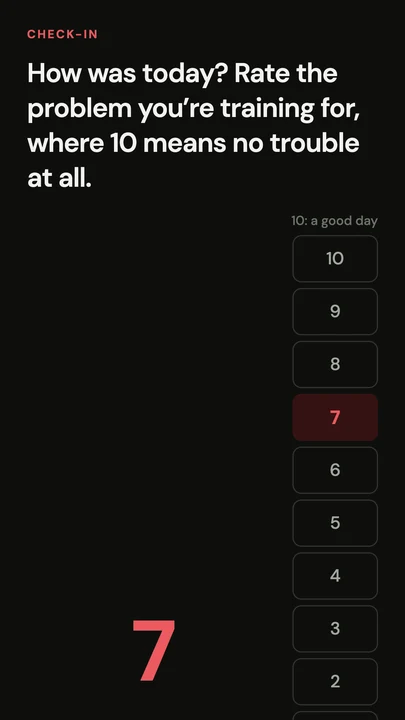
One tap rates the day from 1 to 10.
Your own numbers, from day one.
Your AI coach
You don’t need willpower. Your AI coach has it for you.
It knows every session you have done and every one you have not, and it plans the next one, so you only have to show up.
It never forgets. Every session and every day’s number, tracked for you.
It never lets a day slide. Fall behind and it is on you straight away, as hard as you told it to be.
It re-plans a missed day. Miss a session and it moves to tomorrow. Away for a few days, and the plan waits where you left off.
Tough: stays on you until today is done. You pick how hard it pushes, and change it any time.
Coach · TodayWeek 3
Coach8:30
Yesterday you did 2 of 3. So today is 4. The one you owe comes first.
Coach14:15
It’s 14:15. 3 left. Start now, an hour apart, and they all fit by 21:00.
Coach20:50
4 of 4. Good. Tomorrow’s sessions are already set.
Written lines filled in with your own sessions. It never takes input and nobody else sees it. Lock-screen reminders never say what they are for.
About
Built on the research, for the men it was written about.
Sahara is made by a small editorial and product team that reads the clinical research on the male pelvic floor and turns it into training a man can do at home. Nobody teaches men this muscle exists. Most are told the changes are just age, while the trials say the muscle can be trained. Our job is to close that gap: explain the muscle, train it, measure it, and never make a man feel seen doing it.
4 → 7
Daily rating out of 10
One of the first men on the program: a 4 on day one, two 7s in a row by day fourteen, the best in years. Individual results vary; the app shows each man his own numbers.
Questions.
Why has nobody told me about this?
Because nobody teaches it. Men are never shown this muscle, a prostate or bladder check does not look at it, and the changes get put down to age. It tends to get thinner and weaker with age, not because of anything you did.
What if I forget or miss a day?
The app reminds you at the times you pick. A missed session moves to the next day, and if you are away for a few days the plan waits where you left off instead of jumping ahead.
Do I need to know how to do kegels?
No. The app tells you when to squeeze, how long to hold and when to let go, counts every hold, and makes it harder each week by itself.
Is this medical treatment?
No. It is training: the exercises a pelvic-floor physiotherapist would prescribe, guided by an app. See a clinician for pain, blood in urine, or any sudden change.
Will anyone know?
No. There is nothing to wear, no social features, the reminders never say what they are for, and the app icon is a plain mark.
How do I cancel?
One click on the account page. Cancelling stops future charges; access runs to the end of the paid period.
Clinicians & partners
The tool clinicians can hand to a patient.
Pelvic-floor physiotherapists
A structured home program between sessions, with a daily record the patient brings back. Referral accounts are in development; early access is open.
Urologists and continence services
Something to offer men after prostate surgery or with after-dribble, other than reassurance. Evidence, mechanism and the program in one link.
Press, research and partnerships
Data requests, research collaborations, distribution and commercial partnerships.
Articles
What the research says about training it.
Short articles in plain English, with every figure linked to the paper it comes from.